Physiological and Biochemical Zoology
has recently published Focused Issues on:
Early-life Effects on the Adult Phenotype: a Comparative Perspective
Ecoimmunology
Functional Morphology and Biomechanics: Form Follows Function,
Caveats About Undergraduate Research
How to Structure and Name Data Files
Lab
Wiki (members only)
IDEA, the Institute for the Development of Educational Applications
Prospective
graduate students should send me a letter of inquiry
(email is fine) indicating their areas of interest and describing their
previous research
or other relevant experience. Please also indicate your grade-point average
and G.R.E. scores (if available, including percentiles). Although I am well aware that these
are not necessarily good indicators of the likelihood of success in graduate
school, they are important in campus-wide competitions for fellowships and
so forth. In addition, you may want to read these essays by Stephen
C. Stearns (1987, Bull. Ecol. Soc. Amer. 68:145-150),
Raymond B. Huey (1987, Bull.
Ecol. Soc. Amer. 68:150-153), Brian W. Witz (1994, Bull.
Ecol. Soc. Amer. 75:176-177), and Dan Binkley (1988. Some advice
for graduate advisors. Bull. Ecol. Soc. Amer. 69:10-13 [I don't
have a PDF of that one, but here is
another from his web) as well as these by Massimo Pigliucci on
how to choose a PhD project
and a checklist for graduate
students. Finally, here is an extensive website on resources
and advice for graduate students, maintained by Scott
Keogh.
Most of my graduate students are
in the Evolution,
Ecology, and Organismal Biology Graduate Program. I also participate in
the Neuroscience Graduate Program, the Genetics,
Genomics & Bioinformatics Graduate Program, the Graduate
Program in Biomedical Sciencess, and the Network for Experimental Research
on Evolution (NERE: a University
of California Multicampus Research Project).
Work in our laboratory is aimed primarily at understanding the evolution
of complex traits. Through empirical, theoretical, and
methodological studies, we are also helping to develop the relatively new field
of evolutionary
physiology (e.g., see Annual Review of Physiology, 1994, 56:579-621
[PDF
file]; Annual Review of Ecology and Systematics, 2000, 31:315-341).
Comparative physiology and physiological ecology have developed as fields with
great interest in how and why phenotypic diversity has evolved. Many
studies in these fields, however, have been conducted with less than state-of-the-art
approaches and analytical techniques in terms of evolutionary biology (e.g., two-species
comparative studies, lack of common-garden controls). As
well, evolutionary biologists have rarely worked with physiological traits,
largely
because of logistical problems (e.g., metabolic rates cannot be measured on
museum specimens).
My research program, therefore, focuses
on the evolution of physiological systems, as well as their phenotypic
plasticity. As physiology cannot properly be understood in isolation
from behavior, biochemistry, and morphology, my general approach is integrative
and collaborative, and crosses traditional boundaries between disciplines.
Our laboratory is equipped to make a variety of sophisticated whole-animal physiological
and behavioral measurements. We have concentrated on locomotion
and activity metabolism (exercise physiology) because many natural behaviors
(e.g., escaping from predators, foraging)
depend crucially on capacities for locomotion. In addition, physical activity
itself can have a variety of effects on behavior and physiology (e.g., training).
We emphasize two complementary approaches,
quantitative genetic and comparative. The former allows both predictions
of short-term responses to hypothetical selection and tests in real
time via laboratory selection experiments (one type of experimental
evolution).
Comparative studies, on the other hand, allow quantification of what actually
has happened in a given group of organisms over evolutionary time.
I have worked primarily on lizards,
snakes, and small mammals (plus the occasional
cow).
However, I recognize the value of "model systems" of all types, and am always
amenable to work with other organisms. For example, I was a co-PI
on an NSF
grant with David
Reznick and Mark
Springer to study the evolution of placentas and other life history
traits in poecilid fishes. Chris
Oufiero, a former Ph.D. student, performed comparative
studies of locomotor performance in relation to sexual selection in swordtails.
I was also a co-PI (along with Mark Chappell) on two grants (NSF, NIH) obtained by Wendy Saltzman to study paternal care in California mice (Peromyscus californicus).
Although
most
of the work in our lab has involved exercise physiology and locomotor
behavior, graduate
students have worked on a diversity of other projects, including:
-
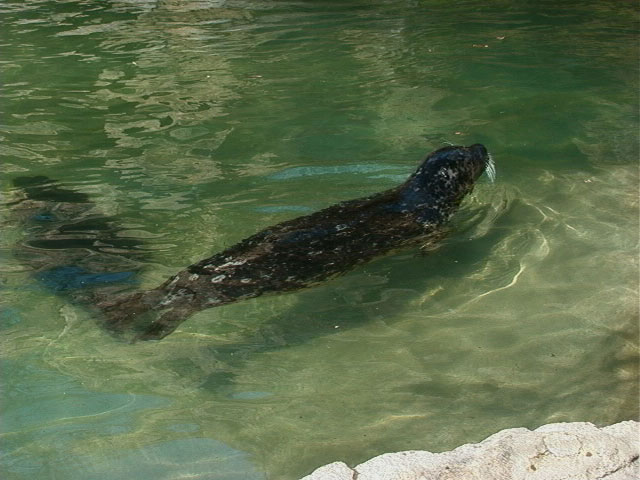
Evolution of Reproductive Timing in Seals
(J. L. Temte, Ph.D.
in Zoology at Wisconsin)
-
Behavioral/Physiological Ecology and Conservation Biology of Desert Tortoises
(S. J. Bulova, Ph.D.
in Zoology at Wisconsin)
-
Reproductive and Conservation Biology of Lizards on a Spanish Island
(J. G. Swallow, M.S. in Conservation Biology and Sustainable Development
at Wisconsin)
-
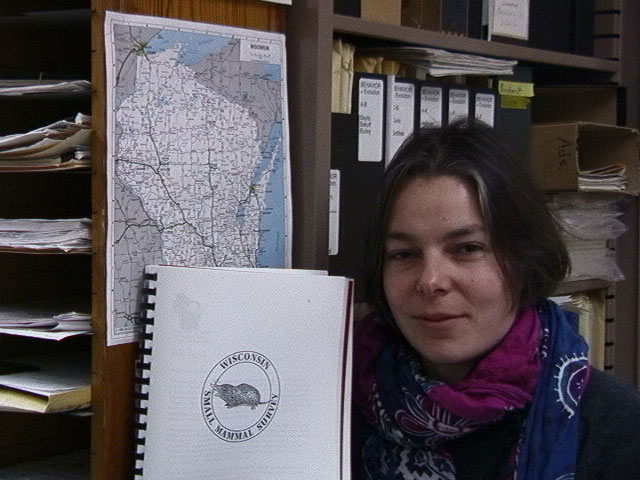
Development of a Monitoring Program for Endangered Species of Small Mammals
in Southern
Wisconsin Prairie Fragments (N. M. Anthony,
M.S.
in C.B.S.D. at Wisconsin)
-
Evolutionary and Phenotypic Plasticity of Mammalian Kidney
(M. A. Al-kahtani, Ph.D.
in Zoology at Wisconsin)
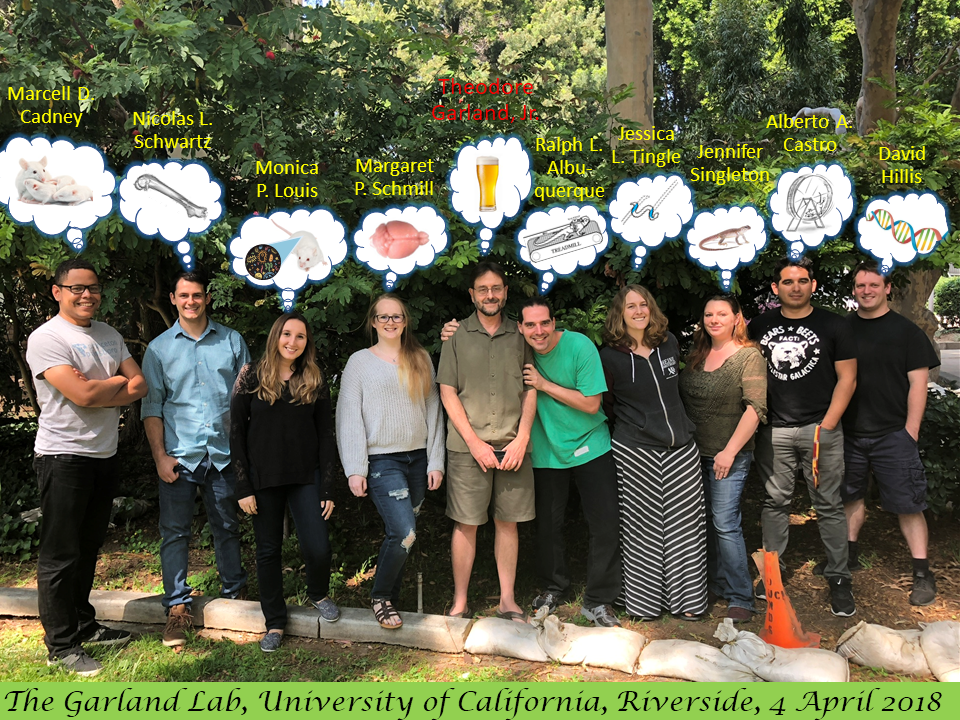
- Social Behavior of Desert Iguanas (Dipsosaurus dorsalis) (Jennifer M. Singleton)
- Predictors of maximal oxygen consumption during exercise, and ecological and behavioral correlates in lizards and mammals (Ralph Albuquerque)
Current and recent research in our laboratory
is focused in four main areas:
1. Selective Breeding for High
Voluntary Wheel Running. Publications
to date.
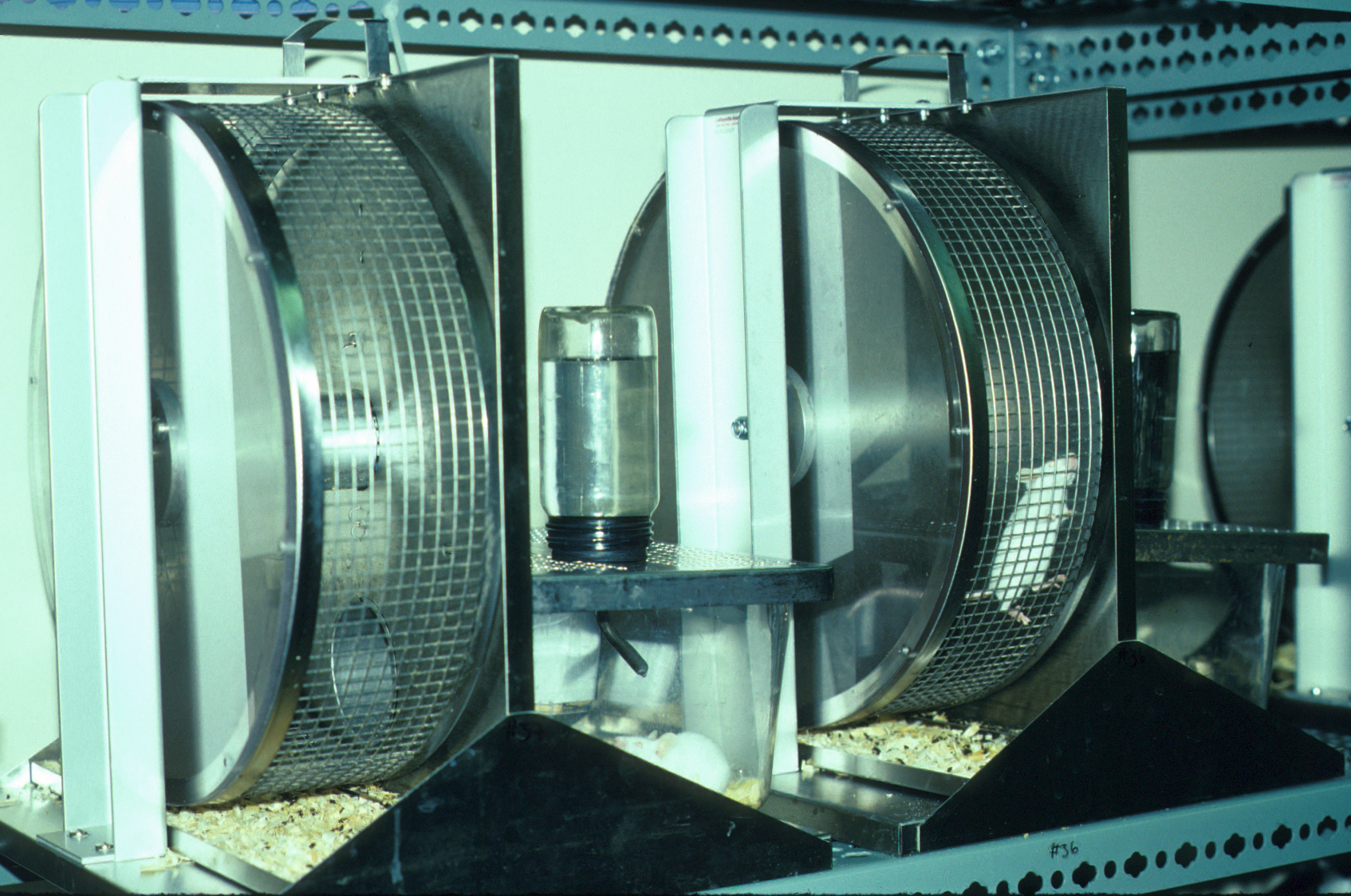
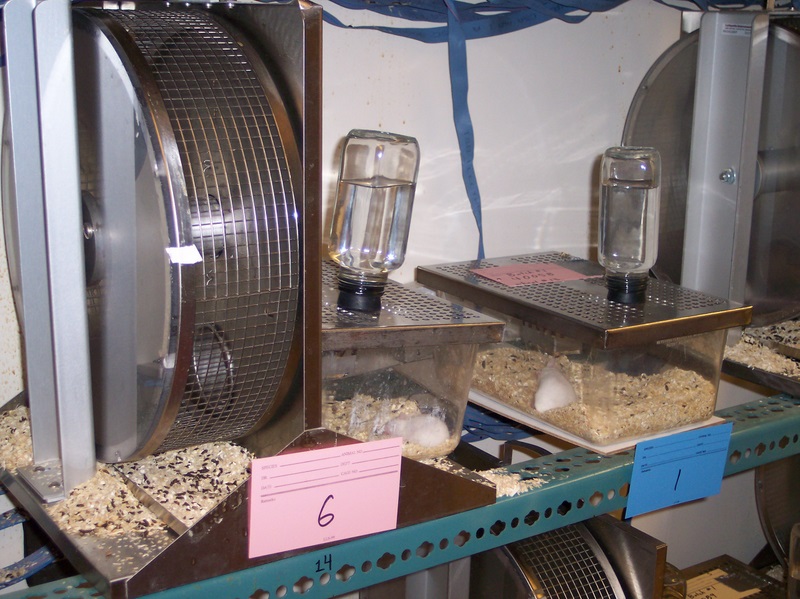
From a base population of randombred Hsd:ICR
house mice, we have undertaken an artificial
selection experiment to increase levels of voluntary wheel-running
behavior, which serves as a model of voluntary exercise and has important implications
for human biology. This
project,
funded
primarily by
the
National
Science
Foundation
and sometimes by the National Institutes of Health, allows direct tests of the
long-standing
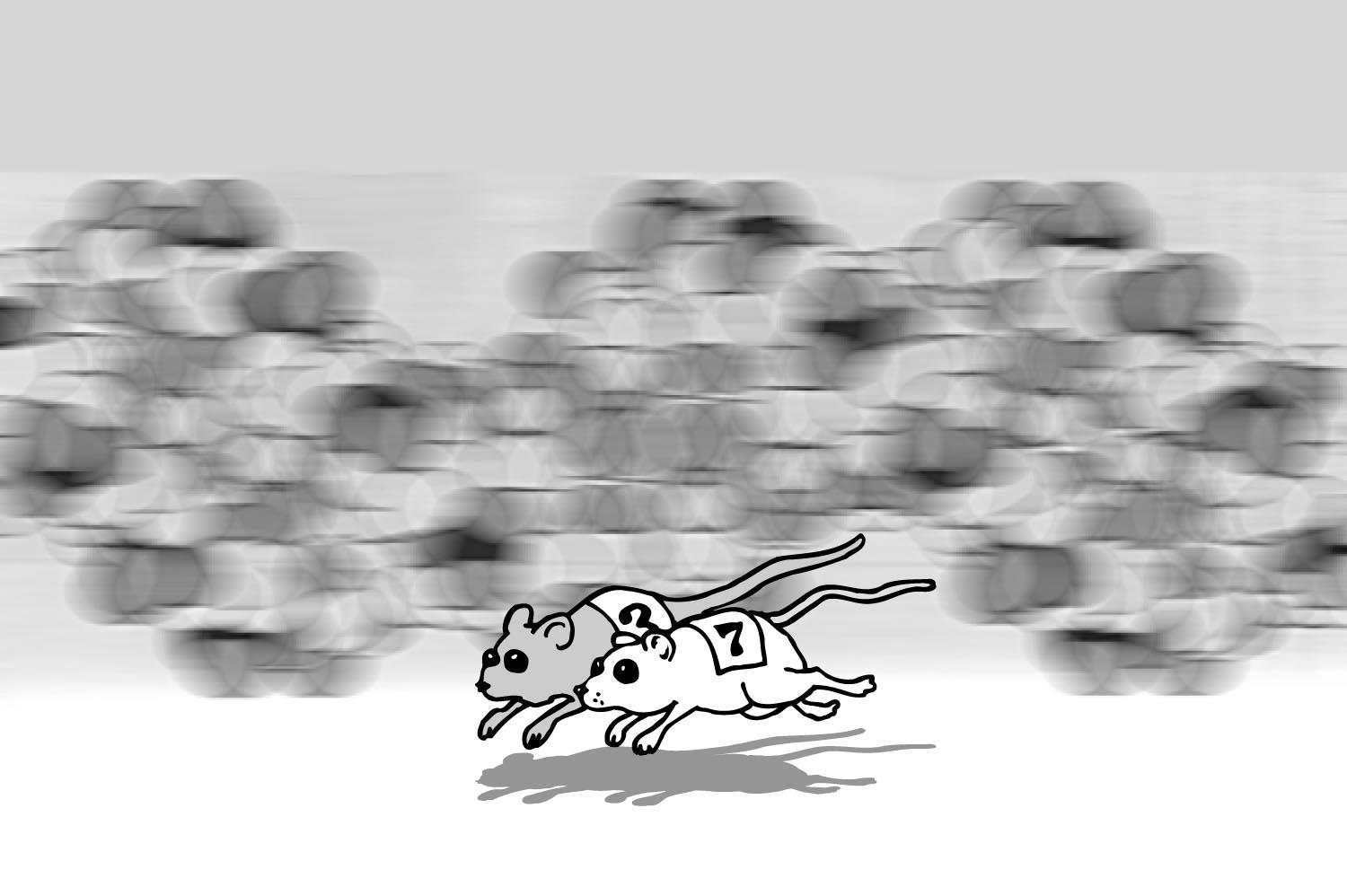
idea that behavior evolves "first." We are now (March 2020) surpassing 90 generations. As wheel running has evolved, mainly by increased running speed
(movie), we have tested for correlated responses
in a series of continuous-valued, polygenic traits (e.g., body mass, litter
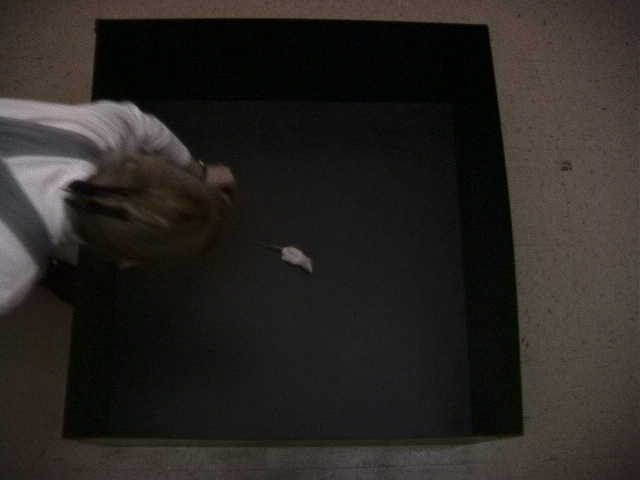
size, open-field behavior, sprint
running speed on a photocell-timed racetrack,
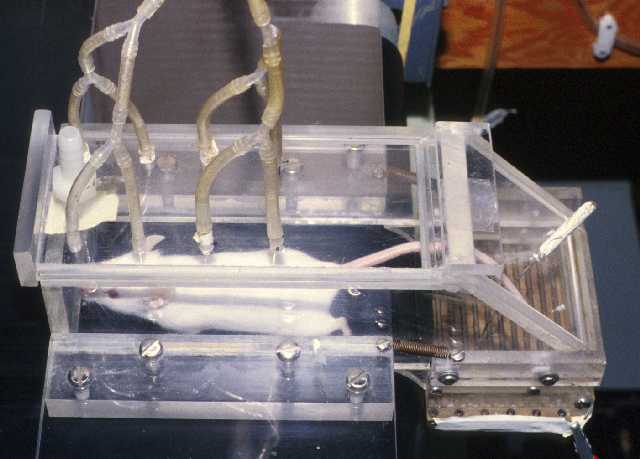
endurance, maximal oxygen consumption, basal
metabolic rate, hematocrit, hemoglobin, heart mass, gastrocnemius muscle
mass, liver mass, corticosterone and thyroid hormone levels, activities
of aerobic and anaerobic indicator enzymes). Although our main focus
has been understanding how exercise physiology evolves in concert with
voluntary activity levels, this experiment has virtually limitless potential
to uncover relationships among different aspects of behavior. For
example, we have also examined nesting and parental-care behavior, resident-intruder
and predatory aggression, open-field behavior, and learning. We are exploring
brain
structure
and function through pharmacological and neuroanatomical studies.
Our results indicate alterations of brain dopamine and endocannabinoid signaling in the selected lines, which
may render them a useful model for studies of human attention-deficit hyperactivity
disorder (ADHD) and understanding the control of motivated behaviors.
In addition, the selected lines exhibit some unique responses when given
a diet high in fat (Western diet), and so we are examining their utility as
a model for possible resistance
to the metabolic syndrome and diabetes. Recently, we have begun studying early-life effects on adult physical activity.
This has always been a collaborative
project (Pat,
Ted, John in 1995) and because of the range of possible correlated responses that we anticipate may occur, we work with various laboratories,
including several at other universities. Off-campus collaborators have included Drs. Patrick A. Carter
(Washington State Univ.: aging), Gary
M. Diffee (Univ. of Wisconsin: muscle biology), Patricia A. Freeman (Univ. of Nebraska: skeletal
morphometrics), Sharon
M. Swartz (Brown Univ.: bone properties), Stephen
C. Gammie (Univ. of Wisconsin: neurobiology), Helga
Guderley (Laval Univ., Quebec: metabolic biochemistry), David
J. Paterson (Oxford Univ.: cardiovascular physiology, magnetic
resonance imaging), Steven
F. Perry (Univ. of Bonn: electron microscopy to quantify lung
untrastructure); Douglas
A. Syme and Russell T. Hepple (currently McGill Univ.: muscle properties); Daniel Pomp (genetics); Vincent Careau (quantitative genetics and animal model analyses); Frank Chan (Tubingen, Germany).
(We have even found a radio station that may
be interested in sponsoring our work.)
We are also exploring the
relative magnitude of the effects of the genetic
selection that we have imposed ("nature") as compared with phenotypic
plasticity that occurs ontogenetically when mice have access to running
wheels and can self-train ("nurture"). A
related question is whether mice from selected lines may have reduced or
enhanced "trainability," which would constitute a genotype-by-environment
interaction. For these experiments, we often house mice either with
or without wheel access.
We have also been developing middle school lesson plans that use research material from the selection experiment.
One such lesson that uses digital photographs of skeletal elements has been released:
Inquiry-Based
Middle
School
Lesson Plan -- "Born to Run: Artificial Selection Lab"
PDF version
As an additional outreach effort, I am featured in FAIL LAB Episode One: Evolution,
part of an educational video series funded through the Discovery Digital Network and intended to target teenagers.
2. Phylogenetically Based Statistical Methods
(comparative methods). Phylogenies are essential
for understanding the origin and maintenance of biological diversity, such
as the origin of endothermy in vertebrates.
We seek to promote the use of rigorous phylogenetic methods by developing
and testing statistical methods for the analysis of comparative (interspecific)
data. With the assistance of a separate N.S.F. grant, we make available
at no cost computer programs to perform the necessary analyses (PDAP:
Phenotypic
Diversity
Analysis
Programs;
PDTREE
module in Mesquite; PHYLOGR).
Analyses include Felsenstein's (1985) method of phylogenetically independent
contrasts (with emphasis on branch-length diagnostics and transformations),
Monte Carlo computer simulation to obtain phylogenetically correct ("PC")
null distributions, and techniques for ancestor
reconstruction.
A recent series of programs with Tony Ives (PHYSIG),
written mainly in MatLab, implements multiple tests for phylogenetic signal
(Blomberg et al., 2003) and phylogenetic generalized
least squares (PGLS) models (Regressionv2.m of Lavin
et al., 2008).
Other Matlab programs allow you to incorporate "measurement error" (in the
general sense) into phylogenetic analyses (Ives et al.,
2007) and to perform phylogenetic logistic regression (Ives
et al., 2010).
Collaborators
on this research have included Drs. Simon P. Blomberg (Univ.
of Queensland), Anthony
R. Ives (Univ.
of Wisconsin), Peter
E. Midford (Univ. of Arizona), Ramon Diaz-Uriarte (Spain,
home page),
and Francois-Joseph
Lapointe (Univ. of Montreal). One current projects involves developing
techniques for testing hypotheses about convergent evolution, and has involved
Dr. Eric
R. Pianka (Univ. of Texas at Austin) and a focus on a comparison of
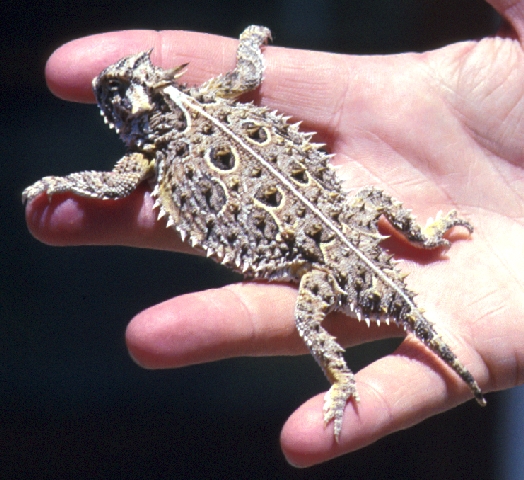
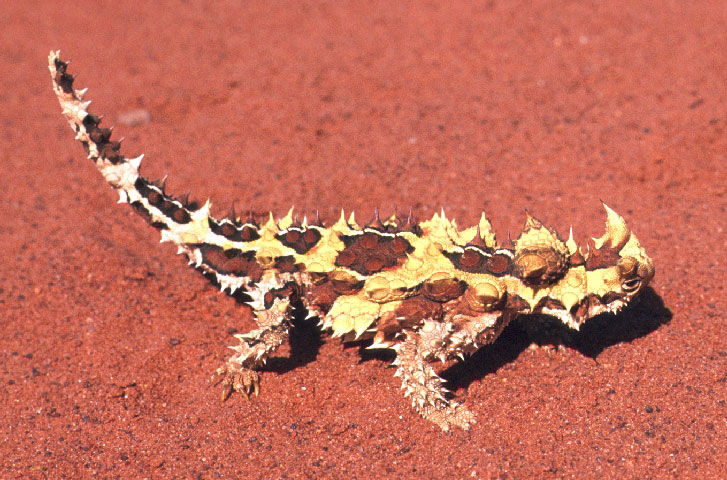
the lizards Phrynosoma and Moloch.
3. Ecological and Evolutionary Physiology of
Squamate Locomotion.
We have conducted studies of both individual and interspecific
variation
in snake and lizard
locomotion and life history traits, and have previously had N.S.F. funding
for this work At
present,
we
are
emphasizing
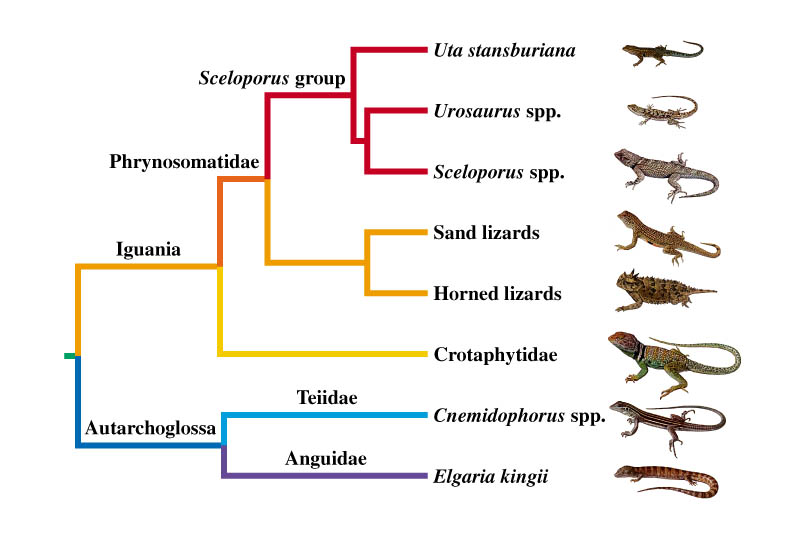
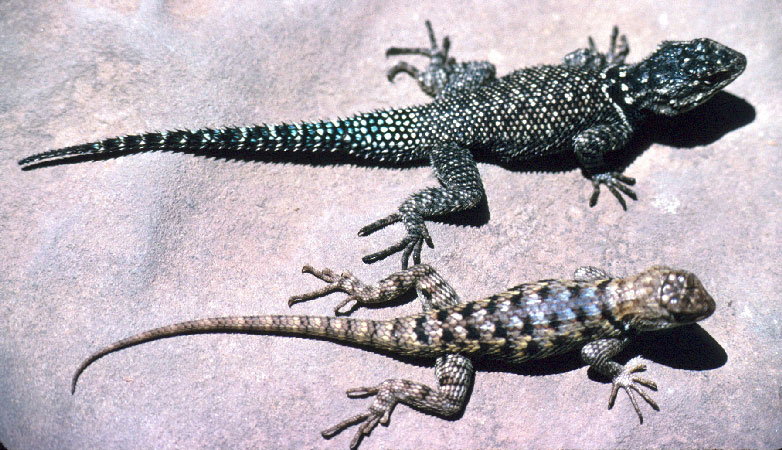
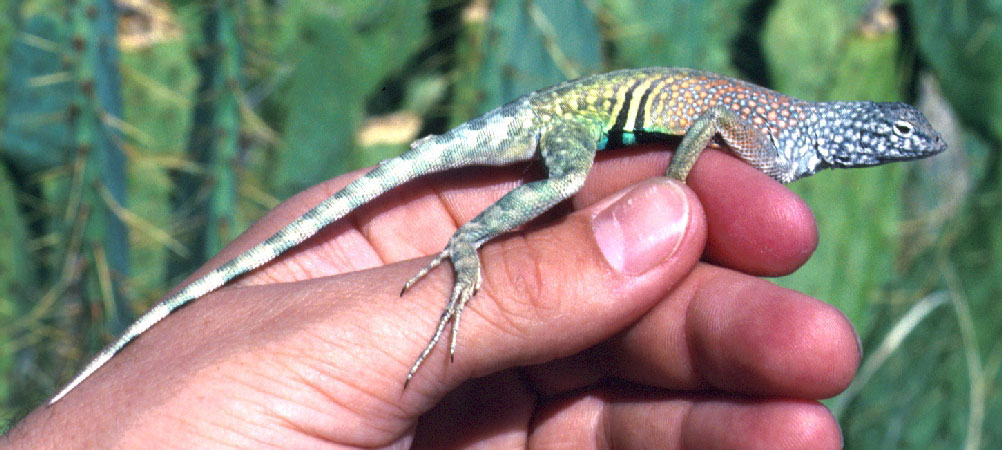
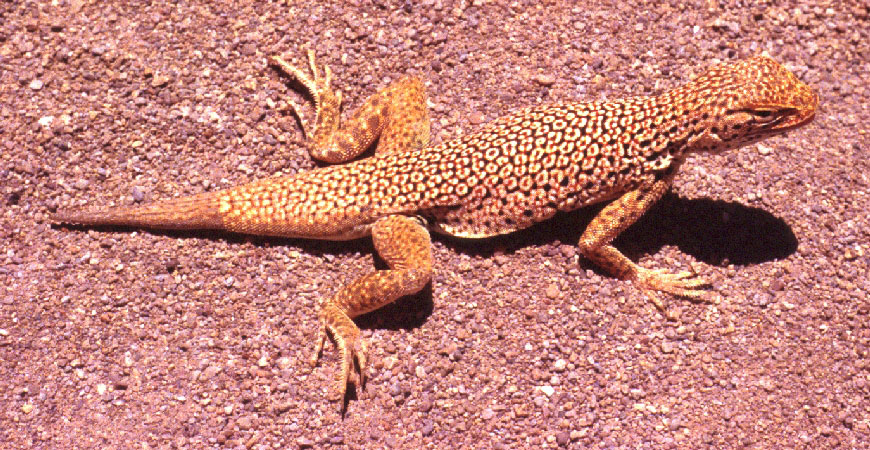
the family Phrynosomatidae (and select outgroups),
which is diverse in North America and includes three major subclades (fence
lizards [Sceloporus] and their allies,
sand lizards [Callisaurus, Cophosaurus,
Holbrookia,
Uma],
and horned lizards [Phrynosoma]).
Outgroups include Crotaphytidae,
Anguidae,
and Teiidae.
We are testing whether capacities
for speed (measured on a photocell-timed racetrack
and on a high-speed treadmill) and stamina (measured
on a motorized treadmill) show an ineluctable evolutionary trade-off,
as predicted from physiological and biomechanical models, and we are relating
locomotor capacities to variation in limb proportions and muscle fiber-type
composition (in collaboration with Dr. Todd.
T. Gleeson at the University of Colorado, Boulder). This work
formed the basis of Kevin E. Bonine's Ph.D.
dissertation. We will also be attempting to relate variation in locomotor
abilities to interspecific variation in field movement, as indexed by daily
movement distance, home range area, and typical foraging velocities.
Future studies will examine variation in maximal
rates of oxygen consumption.
Jessica
Malisch (formerly Bunkers), a former graduate student, is also
investigating corticosterone levels and clutch size of desert iguanas (Dipsosaurus
dorsalis)
in relation to distance from a road, as a possible tool for indicating the "health"
of populations in human-impacted (disturbed) habitats. We collaborate with
Dr.
Henry B. John-Alder on this project.
We are also performing a phylogenetic analysis of life-history
variation in the Phrynosomatidae. Eventually, we want to understand the nature of possible trade-offs between life-history
and locomotor phenotypes.
Now that Dr.
Timothy Higham has
joined UCR, we are planning for some collaborative efforts in this area, and
we would welcome inquiries from prospective graduate
students.
4. Development of Inquiry-Based Lesson
Plans for Middle School and High School Science Students. In
collaboration with Dr.
Tricia Radojcic of Bella Vista Middle School (Murrieta,
California), and with support from a
grant from the National Science Foundation,
we have developed the first of what may prove to be a series of lesson plans
that
involve research
materials
from
our lines
of
selectively
bred lines of High
Runner mice. The first such plan (Born
to Run: Artificial Selection Lab) was originally hosted at the late, great, Evolution
and the Nature of Science Institute. Subsequent plans may involve
analyses of digital research photographs derived from magnetic resonance
imaging brain scans (e.g., see Kolb
et al. 2013) or histological analyses. Current efforts are channeled through IDEA, the UCR Institute for the Development of Educational Applications. For example, "Nature or Nurture? Heritability in the Classroom" can be found on the IDEA website.
 List of Publications (includes
links
to some abstracts and most PDF files)
List of Publications (includes
links
to some abstracts and most PDF files)
Curriculum Vitae (includes links to
various people and places, as well as photos)
Biology 105 "Evolution"
Fall 2003 Syllabus
Fall 2016 Online version Syllabus
Online Lecture Example: Adaptation and the Comparative Method
Biology 174 "Ecological and Evolutionary Physiology"
Winter
2002 Syllabus
Fall
2002 Syllabus
Fall 2004 Syllabus
Winter 2006 Syllabus
Winter 2007 Syllabus
Biology 282 "Seminar in Genetics and Evolution" - Phylogenies and the
Comparative Method
Winter
2003 Syllabus
Spring
2006 Syllabus
Phenotypic Diversity Analysis Programs
(software to perform phylogenetically based statistical analyses)
PDTREE module in
Mesquite (JAVA-based software to perform phylogenetically based
statistical analyses)
PHYSIG (MatLab programs to perform phylogenetically
based statistical analyses)
PHYLOGR (R language code to perform phylogenetically based statistical analyses)
Research Diagrams (feel free to use with due credit)
Evolutionary
Physiology -- unique "emergent" questions
Phenotypic
Hierarchy -- expansion of S. J. Arnold's (1983) morphology, performance,
fitness paradigm
Phenotypic
Plasticity Genotypes to Phenotypes -- illustrating genotype-by-environment
interaction & reactions norms
Star_Phylogeny_vs_Hierarchical_Tree --
phylogenetic comparative methods
Phylogenetic
Pseudoreplication -- phylogenetic comparative methods
Phylogenetically_Independent_Contrasts_1.jpg --
phylogenetic comparative methods (how to compute Felsenstein's [1985] phylogenetically
independent contrasts
Phenotypic_Plasticity_Genotypes_to_Phenotypes.jpg --
phenotypic plasticity, illustrating reaction norms and genotype-environment
interaction
Picture Gallery (and a few links):
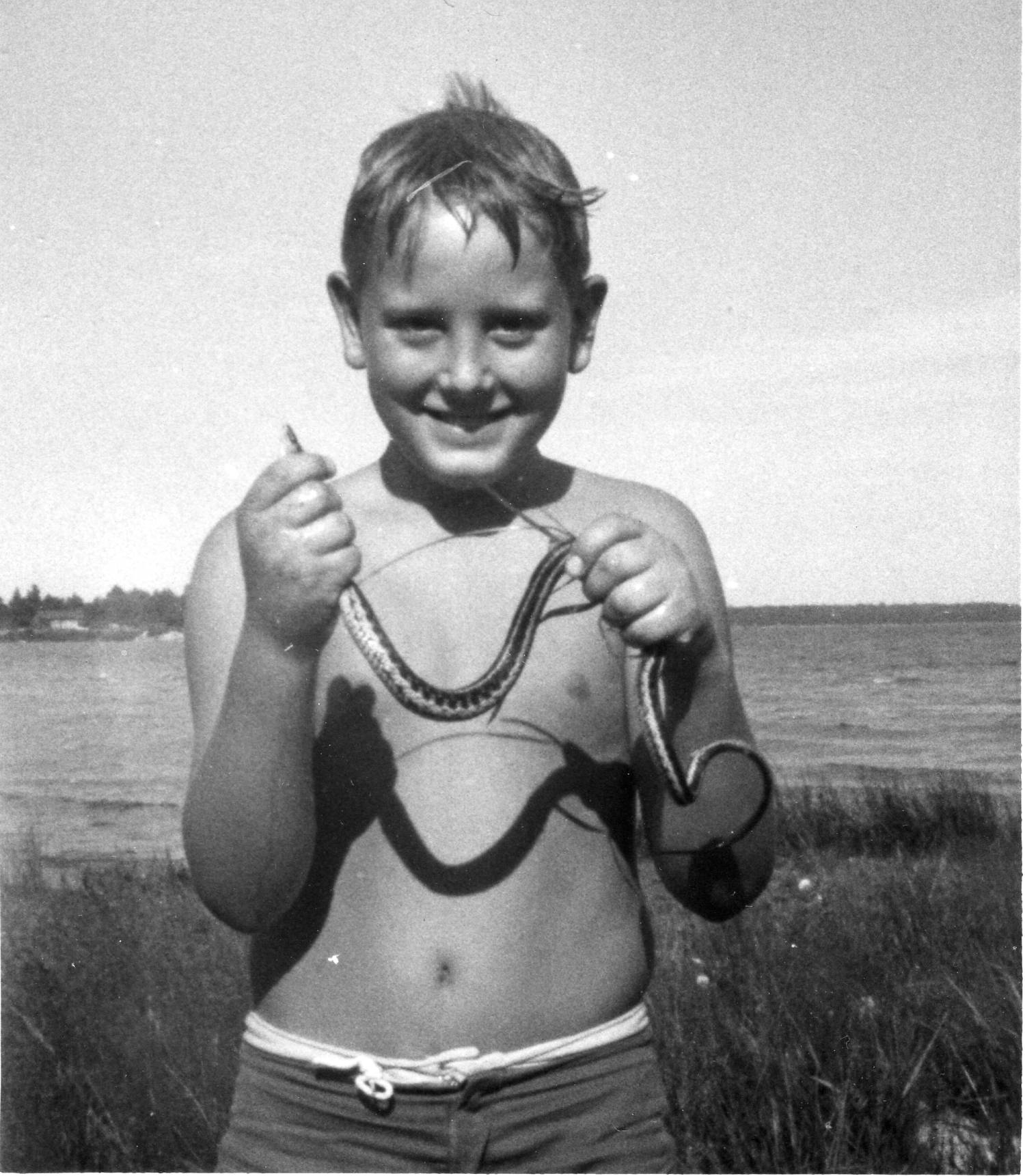
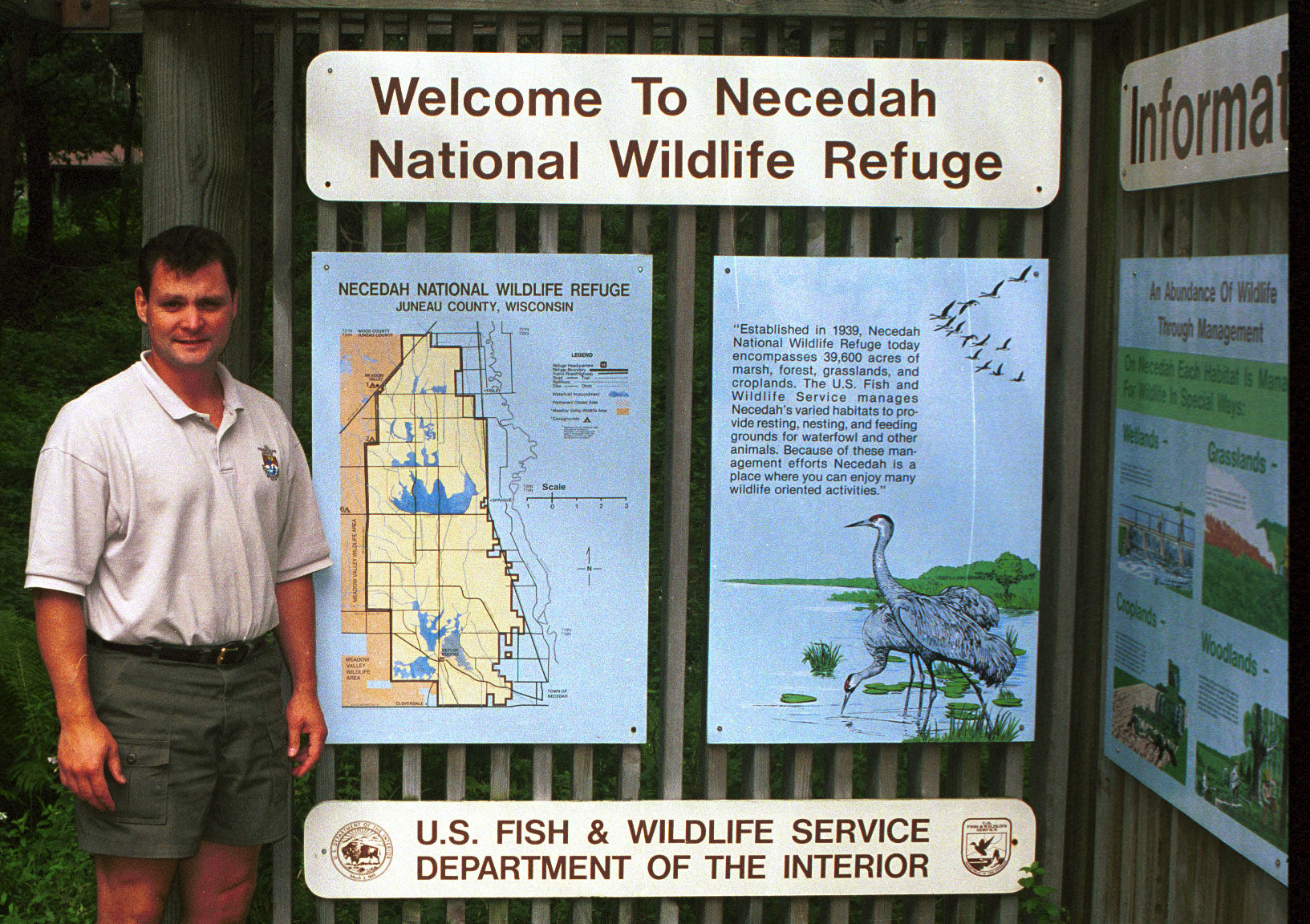
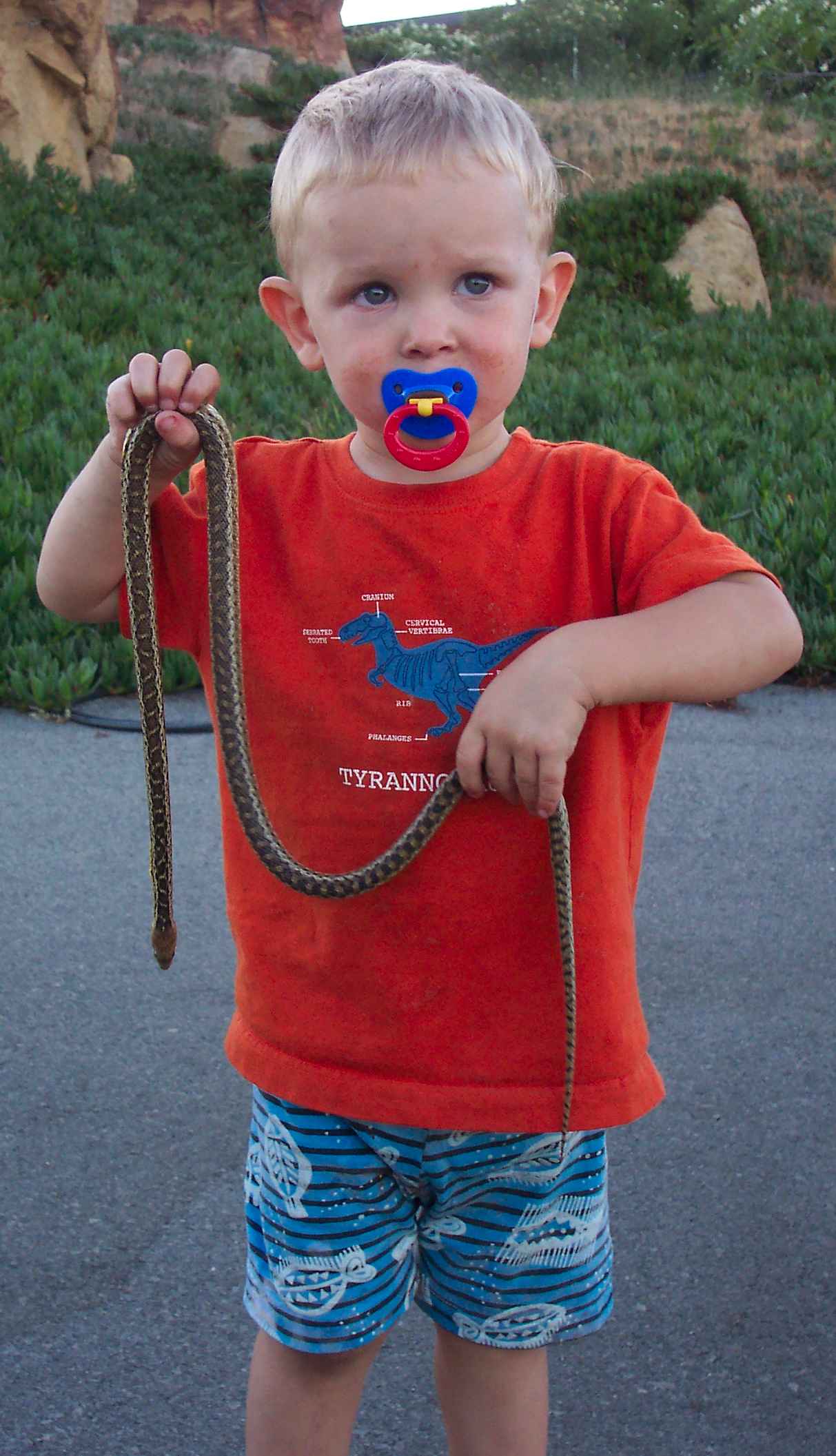
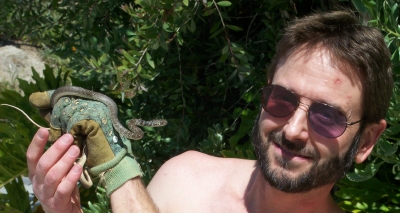
Ted Garland catches his first snake in Wisconsin, summer 1966
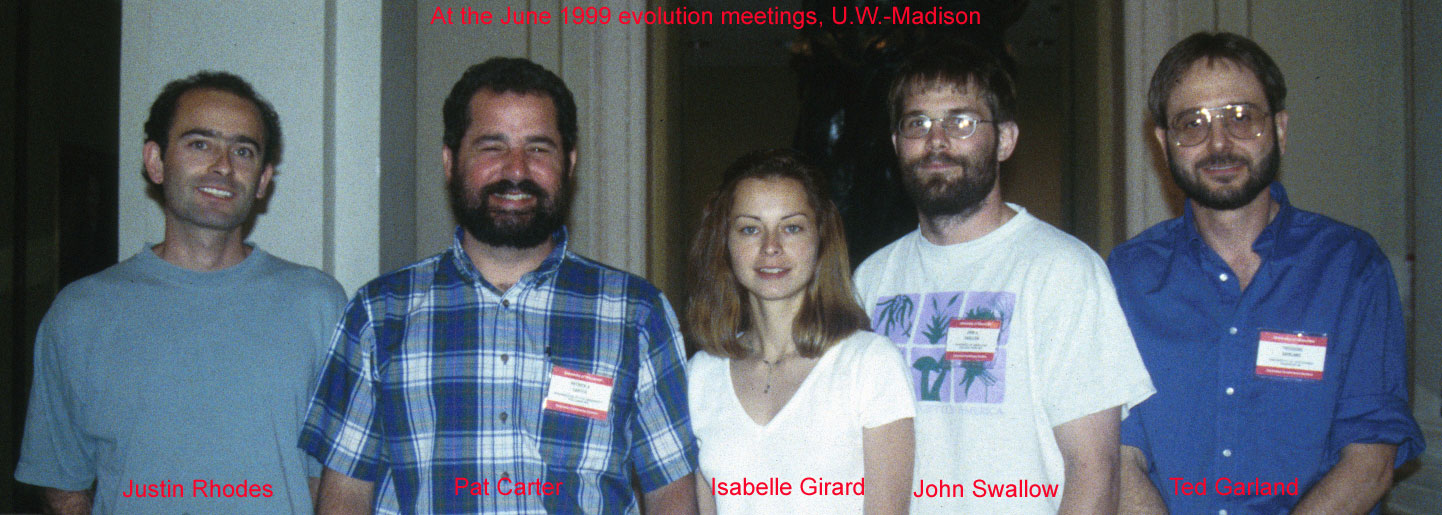
Justin Rhodes, Pat Carter, Isabelle Girard, John Swallow, Ted Garland (at the Evolution meetings in Madison, Wisconsin 1999
Pat Carter, Ted Garland, and John Swallow in 1995
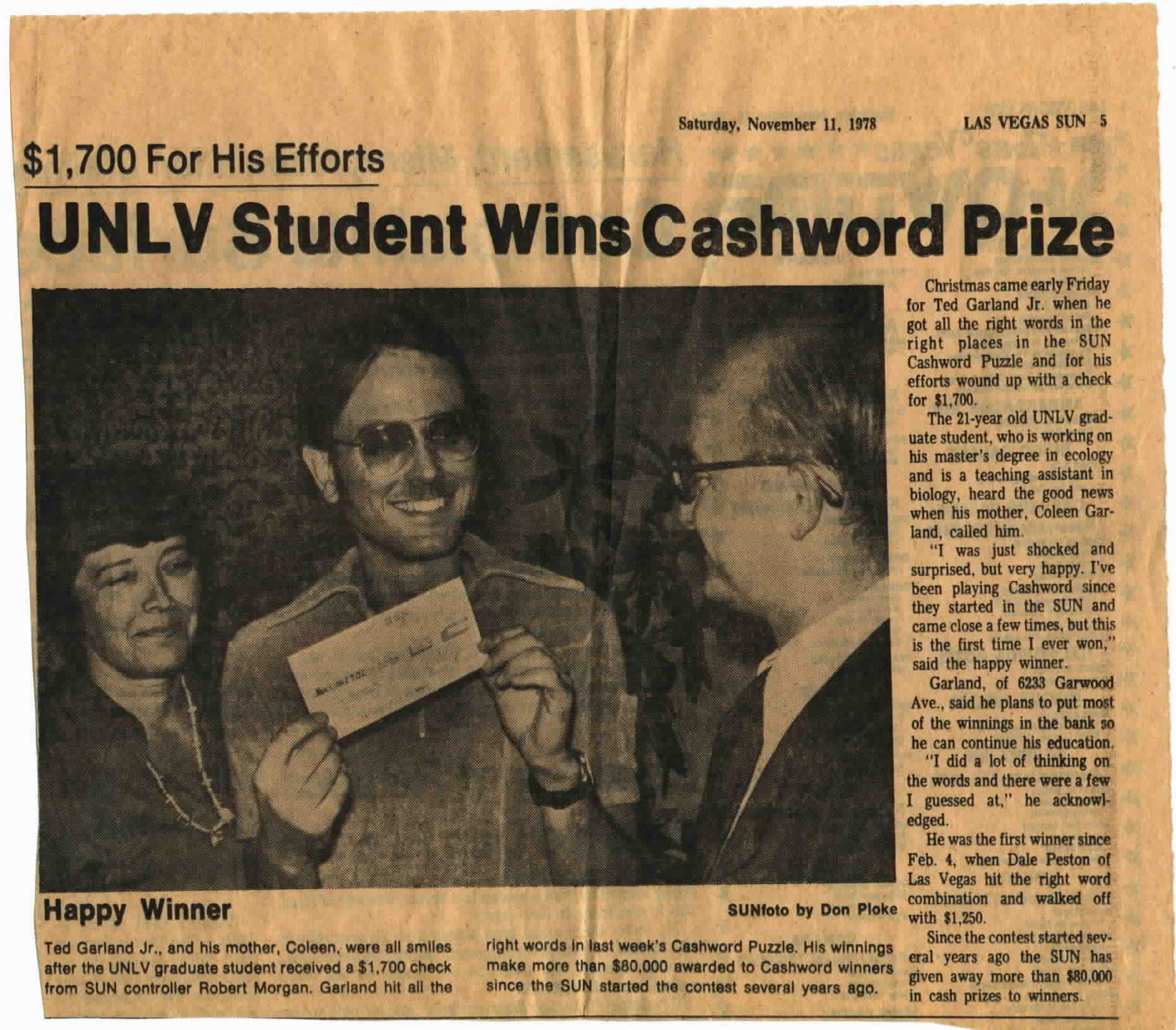
What Ted Garland did before he became a scientist
Why Ted Garland had to leave
Wisconsin before his kids got too old
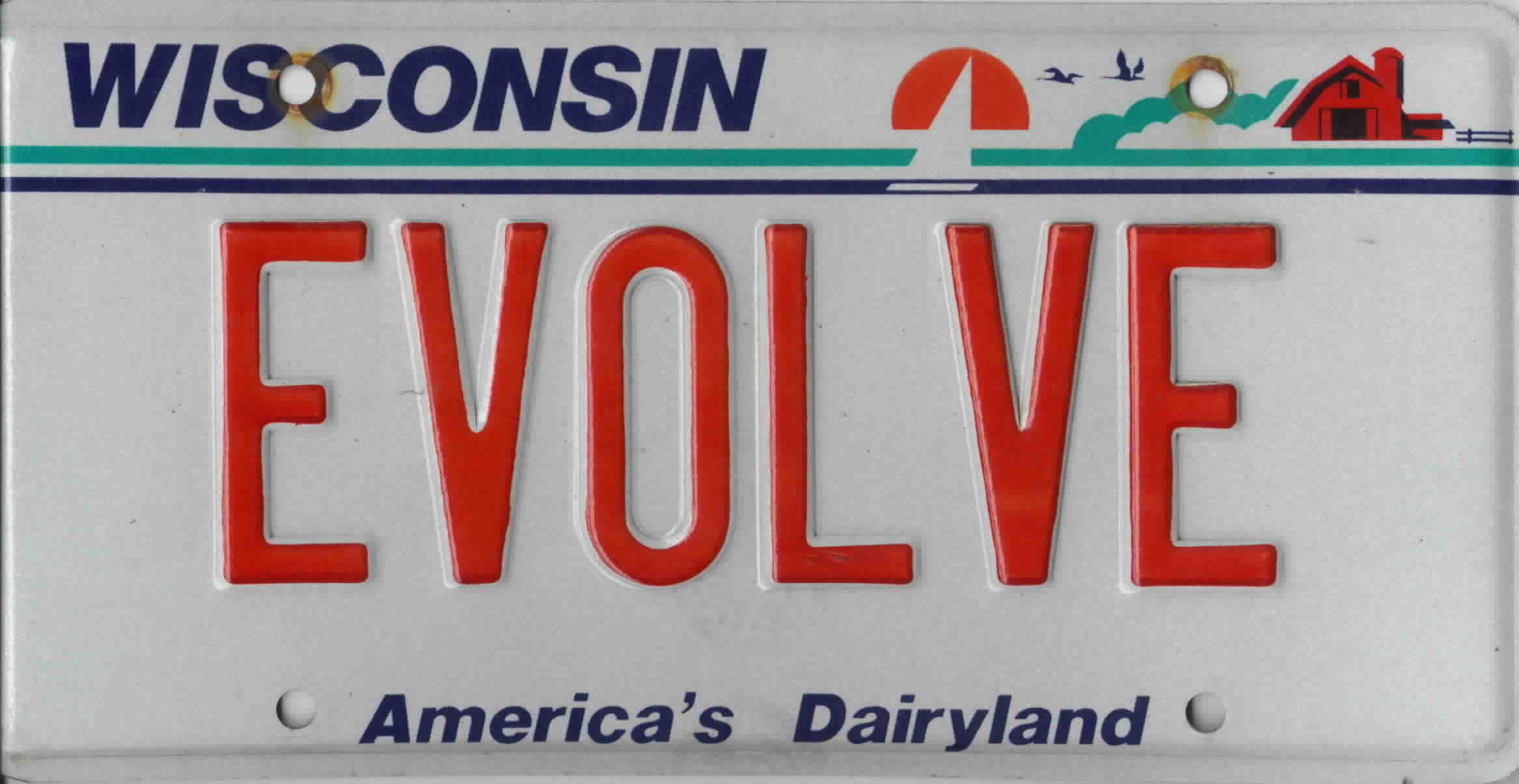
Ted's EVOLVE license plate from Wisconsin. This can be interpreted in various ways, including as a command!
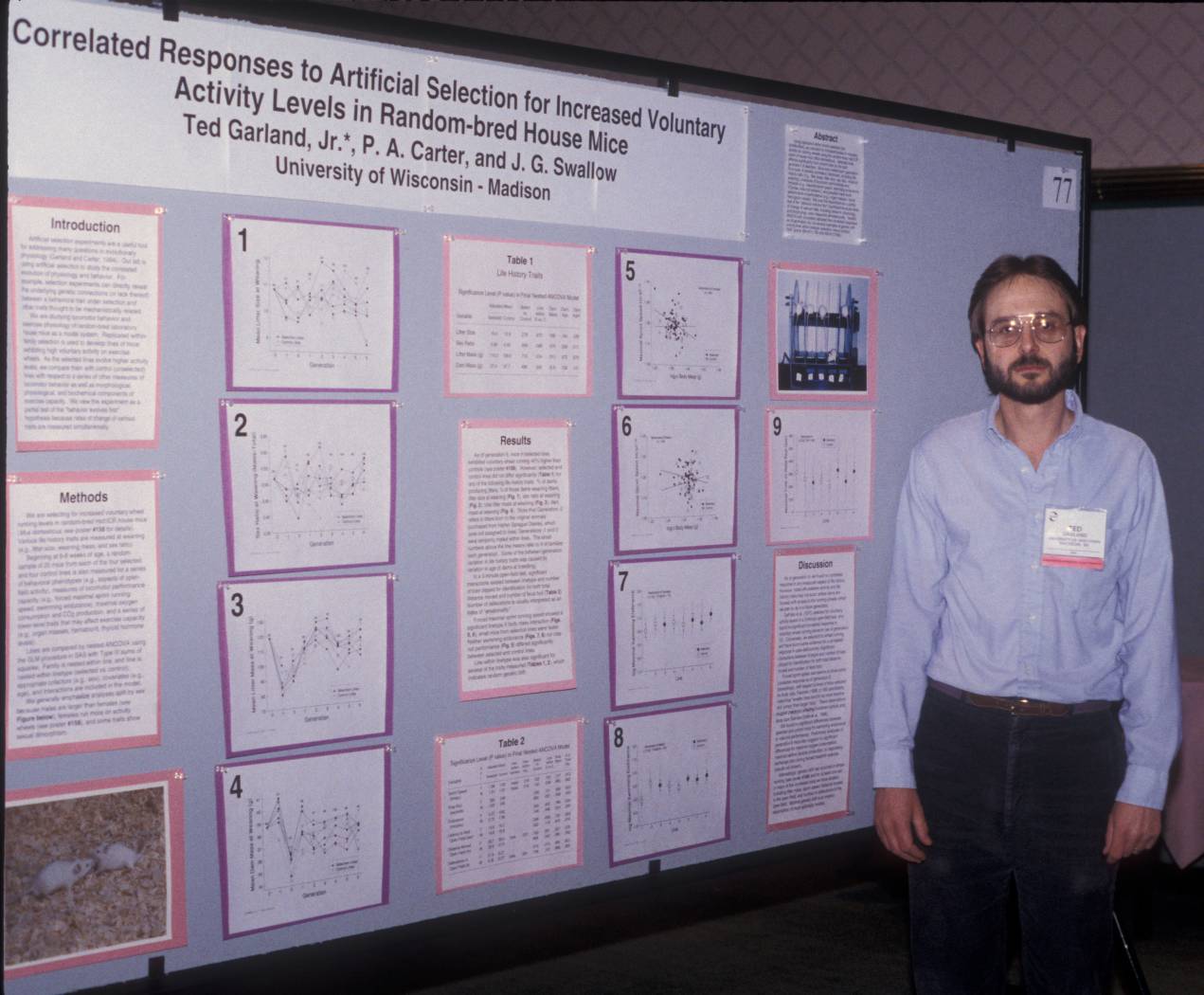
Ted Garland at the Dec. 1995 ASZ Meetings in Washington, D.C.
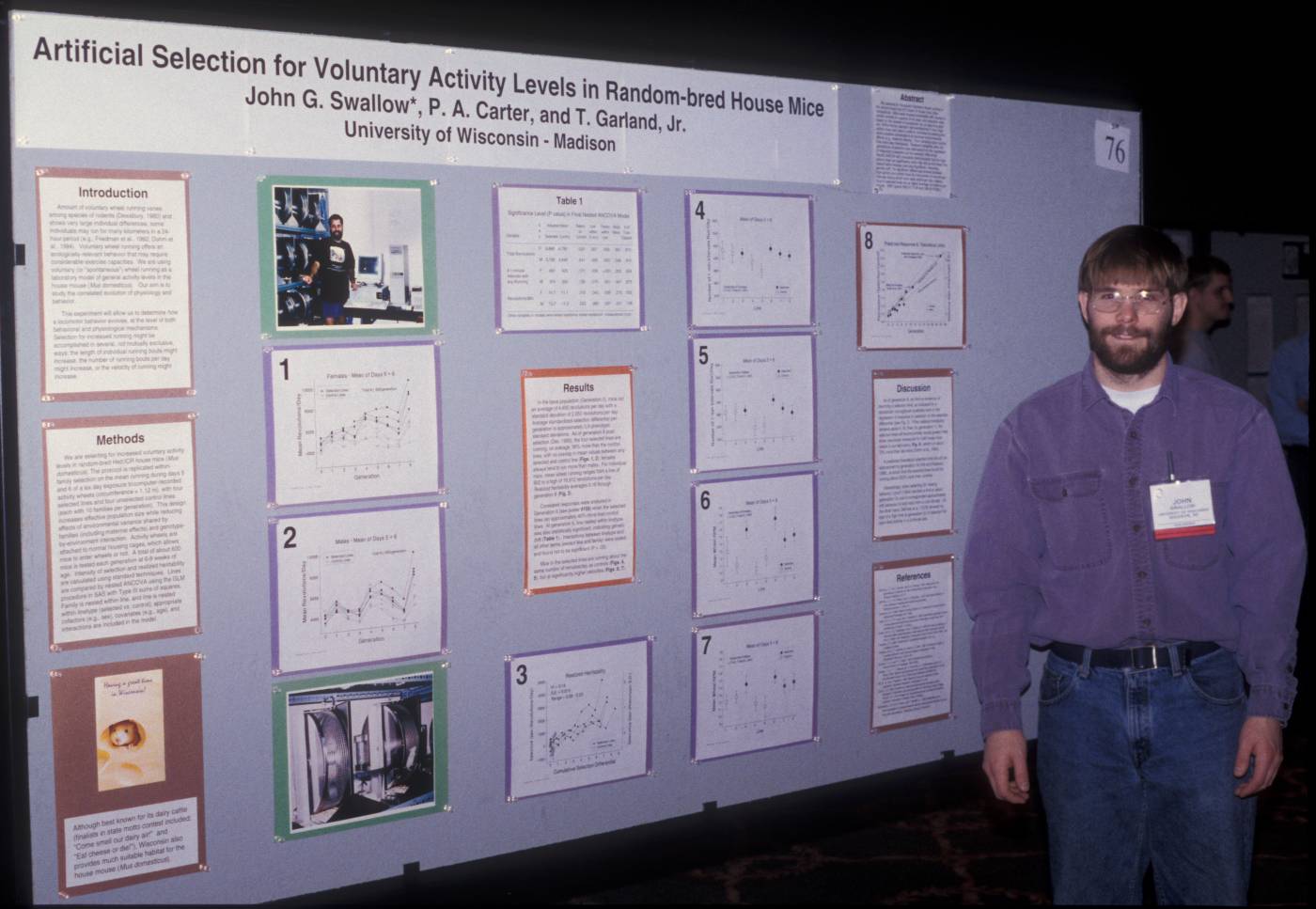
John Swallow at the Dec. 1995 ASZ Meetings in Washington, D.C.
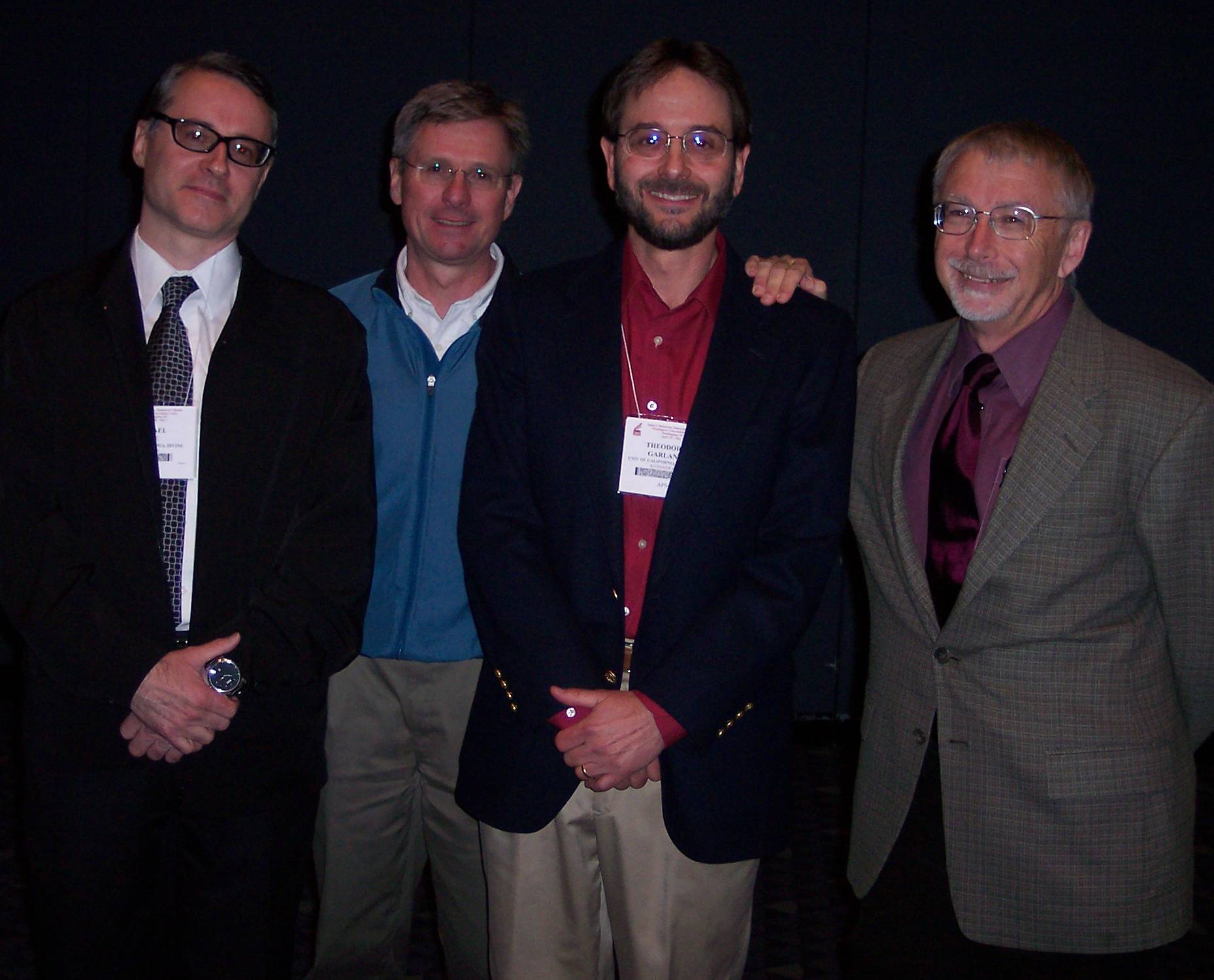
Michael Rose, Steve Britton, Ted Garland, and Al Bennett at the Experimental Biology
meetings in Washington, D.C., 30 April 2007
Graduation_June_2008_Morris_Maduro_Ted_Garland_Mark_Chappell_John_Rotenberry
(MM)
VIDEO - 2003 Toyota MR2 Spyder - Adams Motorsports Park Time Attack
Current Graduate Students
Ralph Lacerda de Albuquerque (EEOB) - started January 2014 - webpage Portugese- ecomorphology and locomotor physiology of lizards
Marcell D. Cadney (EEOB) - started fall 2015
- early-life effects on the adult phenotype
Alberto A. Castro (EEOB) - started fall 2016 - skeletal evolution
David Hillis (GGB) - started fall 2016 - genetic analyses of the High Runner lines of mice
Samantha Kubica (EEOB) - started fall 2018; currently rotating in our lab and co-supervised by Mark Springer
Monica P. Louis (EEOB) - started fall 2016
- microbiome of the High Runner mice
Margaret P. Schmill (Neuroscience) - started fall 2015
- behavior and neurobiology of the High Runner mice
Nicolas L. Schwartz (EEOB) - started fall 2017 (coadvised with Tim Higham) skeletal evolution of the High Runner mice
Jessica L. Tingle (EEOB) - started fall 2015 - webpage -
locomotion, morphology, and biomechanics of snakes
Current Postdocs
None
Former Postdocs
Jack P. Hayes - 1988-1990 - home
page - Currently Associate Professor at the University of Nevada, Reno
Aurora Martinez de Castilla Munoz - 1990, 1993 - Currently employed at the
Qatar Foundation.
Ted assisted with a biodiversity survey there in October 2012.
Patrick A. Carter - 1993-1996 - home
page - Currently Associate Professor at Washington Staste University
Isabelle Girard - 1999-2002 - Currently employed in the Research
Animal Resources Center at the University of
Wisconsin-Madison
Gad Perry - 1999-2002 - home
page - Currently Associatre Professor at Texas Tech University
Simon P. Blomberg - 2001-2002 - home
page - Currently Lecturer and Consultant Statistician
in the School of Biological Sciences at the University of Queensland
Wendy
L. Hodges - 2002-2004 - C.V. old
home
page X-ray
CT scans of Phrynosoma cornutum
Fernando Gomes - 2003-2005 - old
C.V. home
page behavioral
endocrinology of selected lines of mice, amphibian ecophysiology
Kevin M. Middleton - 2005-2007 - home
page -
vertebrate locomotion and bone biology
(NIH NRSA postdoc with Sharon
M. Swartz at Brown University, cosponsored by TG)
currently Associate Professor
at
the University of Missouri
Heidi Schutz - 2008-2010 - C.V. home
page the interplay between form, function, selection and evolutionary
history. Currently Assistant Professor at Pacific Lutheran University
Vincent Careau -
2011-2012 - home page
- currently Assistant Professor at the University of Ottawa
Some Former Graduate Students
Wendy Acosta (EEOB) - Finished Ph.D. fall 2015 - voluntary activity,
diet
choice,
obesity,
exercise.
Currently treaching at local community colleges.
Ralph Albuquerque (EEOB) - Finished Ph.D. summer 2019 and then returned to Brazil.
Mohammed Al-Kahtani - Finished Ph.D. July 2003
and then returned to a position at King Faisal University in Saudi Arabia.
Kevin E. Bonine - home
page - Finished
Ph.D. Dec.
2001 and is presently Adjunct Assistant Professor at the Univ. of Arizona.
Gerald C. Claghorn (EEOB) - Finished Ph.D. Dec. 2016 - webpage -
vertebrate
exercise
physiology and neurobiology.
Currently a statistical analyst in the health insurance industry.
Ramon Diaz-Uriarte - home page - Finished his Master's in Biometry at Wisconsin in 1992 and is currently Associate Professor
at the Department of Biochemistry, Universidad Autónoma
de Madrid (UAM).
Gabriel E. A. Gartner - Finished Ph.D. 2011 old
home page - vertebrate functional morphology and performance; herpetology.
After a postdoc at Harvard with Jonathon Losos, Gabe obtained a faculty position at Santa Monica City College.
Robert M. Hannon old
UCR home page - Finished in Genetics, Genomics, and Bioinformatics graduate
program Dec. 2010.
Subsequently faculty at Northern Virginia Community
College. R.I.P.
Sean Harrington (joint doctoral program in Evolutionary Biology with SDSU) - was here at UCR for 2013-2014
academic year - clade diversification, focusing on pit vipers - coadvised by Tim Higham and Tod Reeder
Layla Hiramatsu (EEOB) - Finished Ph.D. fall 2017 - webpage Currently postdoc with Frank Chan in Germany.
Jarren C. Kay (EEOB) - Finished Ph.D. fall 2017 - muscle physiology. Currently postdoc with Stephen Secor at the University of Alabama.
Brooke K. Keeney. Finished Ph.D. 2011 old home page - neurobiology, endocrinology, and behavior in our selected lines
of mice.
Brooke
Keeney joins LFHCfS
Scott
A. Kelly old
home page home page finished
Ph.D. summer 2008. Here at UCR, Scott worked
on mammalian ecological
and evolutionary physiology, and phenotypic plasticity. After
a postdoc with our collaborator Daniel
Pomp
at the University of North Carolina, Scott became an Assistant Professor, now tenured,
at Ohio Wesleyan University.
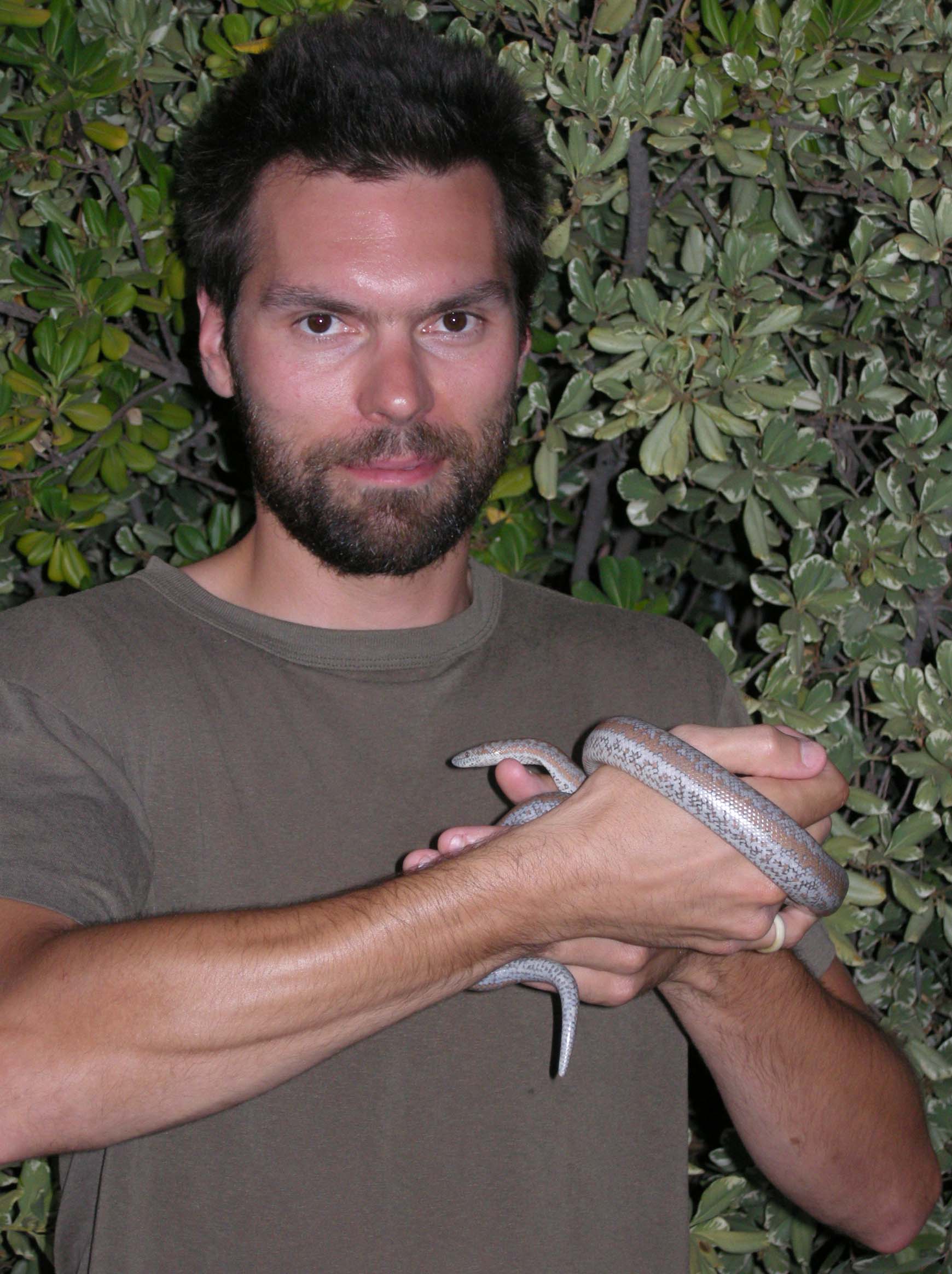
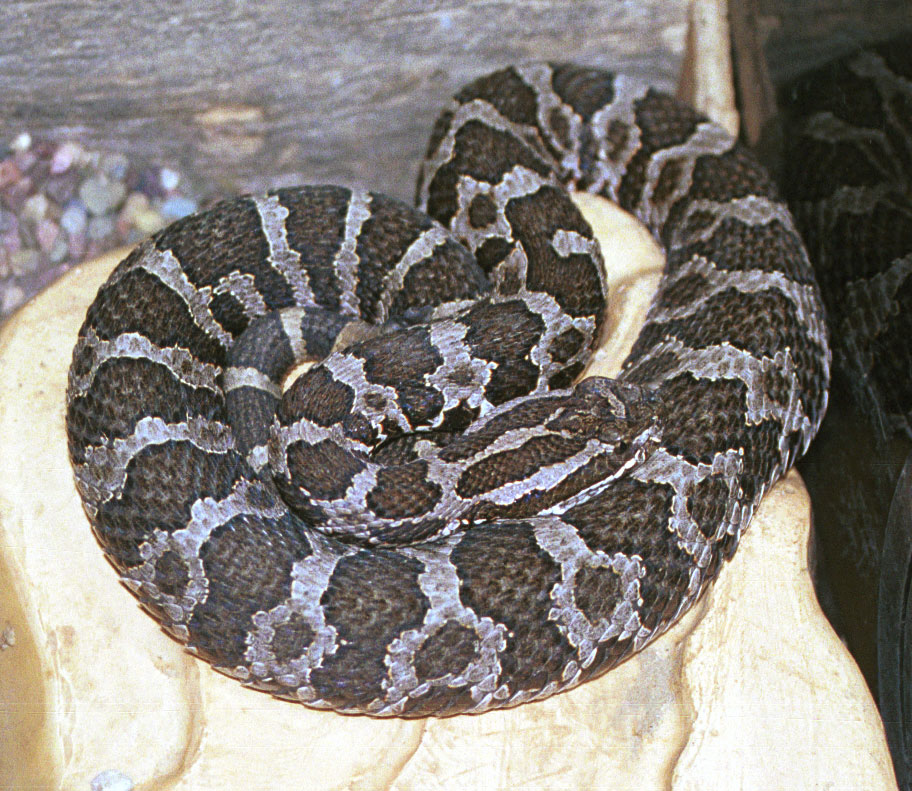
Richard S. King and his study organism, the massasauga
rattlesnake (Sistrurus catenatus).
Erik
M. Kolb old UCR home page -
mammalian physiology and neurobiology. Finished Sept. 2010, became
a Lecturer
in Kinesiology at USC, and is now on the faculty at Chaffee College.
Guo Li finished his Masters in August 2002, enrolled
in a statistics program at the Univ. of Michigan, and is now a statistician
at the University of Washington.
Jessica Malisch (formerly Bunkers) old
UCR home page - behavioral endocrinology of mice and lizards.
After a postdoc with another of our collaborators, Creagh Breuner at
the University of Montana, Jessica was a Visiting
Assistant Professor
in the Joint Science Department at Claremont McKenna College/Pitzer
College/Scripps College.
She is now an Assistant Professor at St. Mary's College of Maryland.
Thomas H. Meek old
home
page- evolutionary and exercise physiology. Tom was a postdoc at the Unviersity
of Washington and now works at Novo Nordisk.
Christopher E. Oufiero old
home
page home page- ecological and evolutionary
physiology, sexual selection and locomotor performance in
swordtail fishes. Chris was a postdoc with Peter
C. Wainwright at U.C. Davis and is now Assistant Professor at Towson University.
Enrico L. Rezende old
UCR home page - [Enrico left for a postdoc in Spain in Sept. 2005, but
I am maintaining a home page
here until he gets a new one] activity physiology of selected
lines of house mice, mammalian ecophysiology.
He is currently on the faculty at the Universidad Andrés Bello (UNAB), Departamento de Ecología, Santiago, Chile.
Justin S. Rhodes finished his Ph.D. in
Dec. 2002, was then a postdoc with John
C. Crabbe at
Oregon Health & Science University, and is now on the faculty at the University of Illinois
Jennifer M. Singleton (EEOB) - Finished Ph.D. Dec. 2018 - webpage -
behavioral
ecology and physiology of desert iguanas
Ronald W. Sutherland - home
page - continued his Ph.D.
at the Univ. of Wisconsin with Tim Moermond.
Zoe Thompson (Neuroscience) - Finished summer 2017 - neurobiology
of exercise. Currently NIH postdoc at the University of Michigan.
Dependents
Theodore Garland, III
Jaden Lee Garland
"Two Little Boys 4 Oct. 2002"
"Theo_Coleen_Jaden_Garland_21_Sept_2003_Goldpoint_Nevada"
"Two Little Boys 22 Nov. 2003"
"Jaden_Coleen_Theo
Garland 30 Oct. 2005"
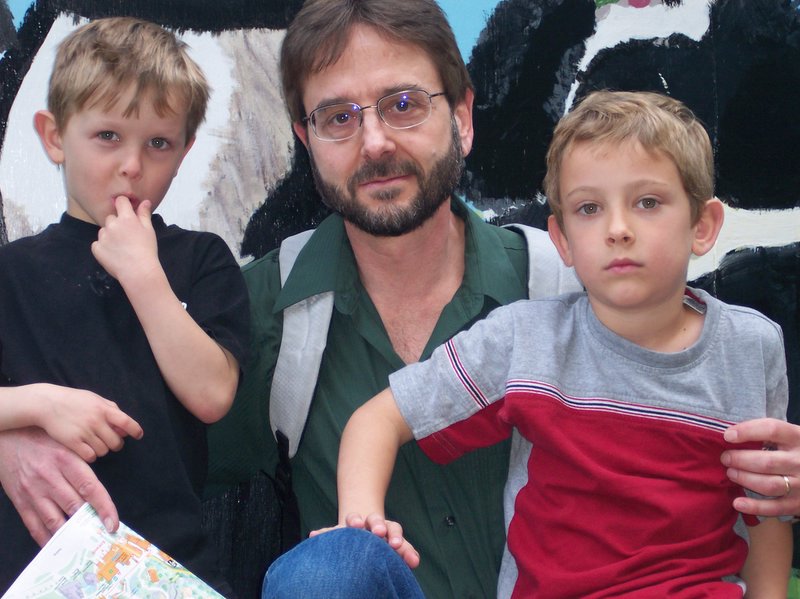
"Jaden, Ted, and Theo Garland at the San Diego Zoo April 2006"
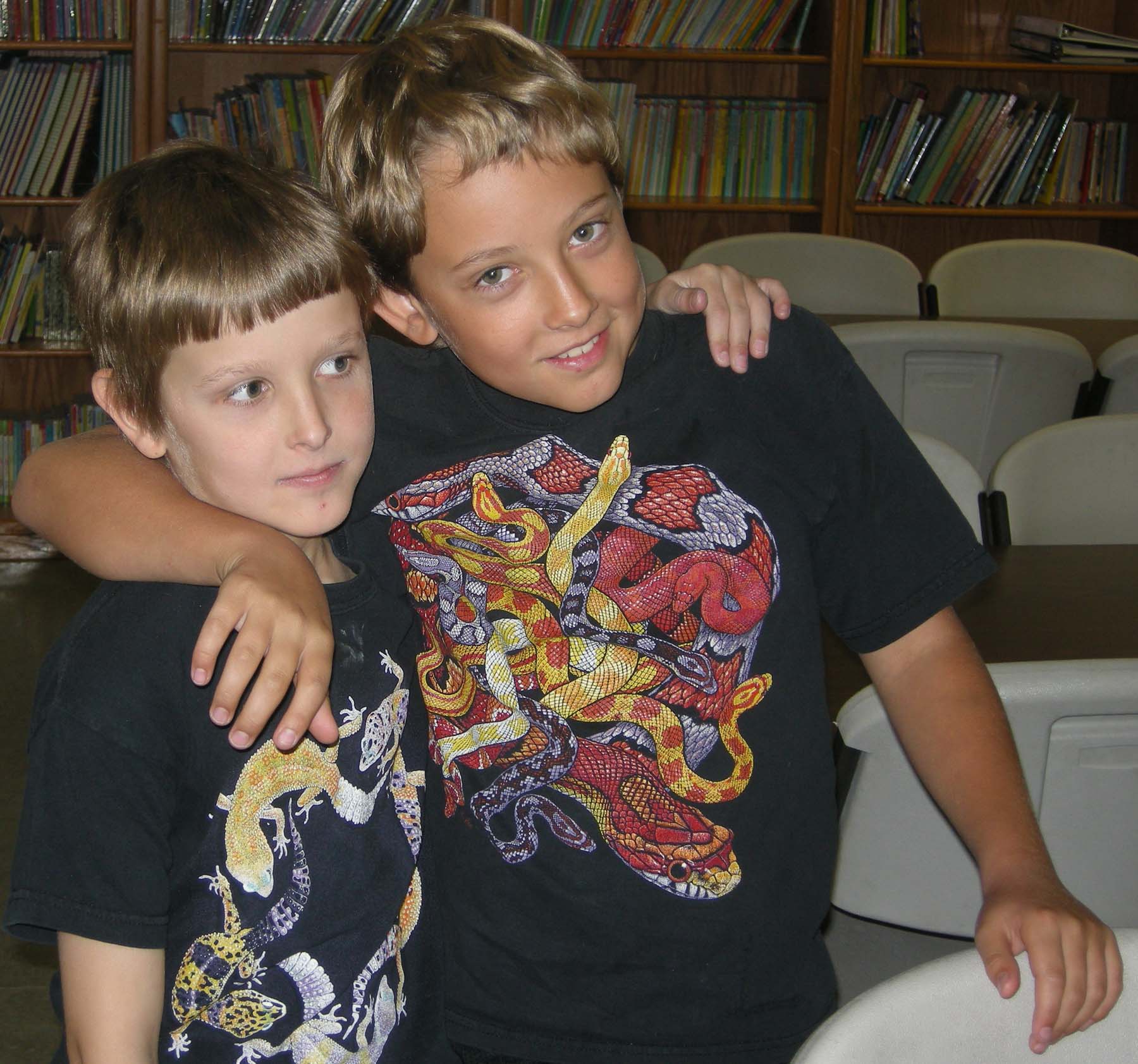
"Two Not-So-Little Boys 11 June 2010
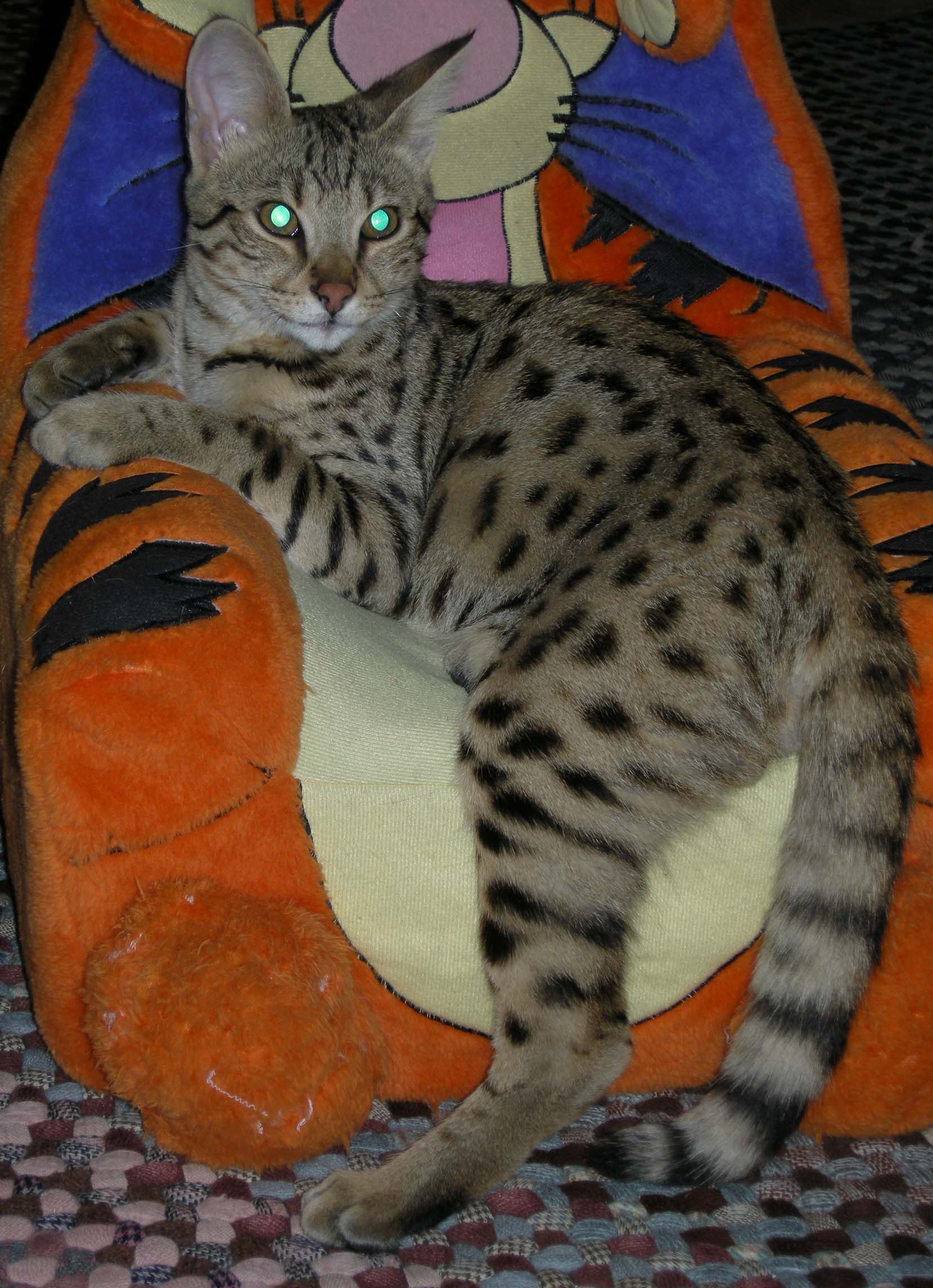
Big Kitty
Sashi
Makodo
Loki (younger half-brother of Makodo)
Pictures of (click on name) and Home Pages of Some Former Graduate Students and Postdocs:
- Nicola M. Anthony, University of New
Orleans
http://www.anthonylab.org/
- Anne M. Bronikowski, Iowa State University
http://www.eeob.iastate.edu/faculty/BronikoA/homepage.html
- Kevin E. Bonine, University
of Arizona
http://eebweb.arizona.edu/faculty/Bonine/KEBonine_UA_Web.html
- Vincent Careau, University of Ottawa
- Patrick A. Carter, Washington State
University
www.wsu.edu/~pacarter/
- Ramon Diaz-Uriarte, Bioinformatics Unit at
the Spanish National Cancer Center (CNIO)
http://www.ligarto.org/rdiaz/
- Michael R. Dohm, formerly University of Hawaii at Hilo - as of Sept. 2005 is Assistant
Professor at Chaminade University, Oahu
http://www2.hawaii.edu/~dohm/
- Isabelle A. Girard, formerly University of Wisconsin-Stevens Point, currently University of Wisconsin-Madison
http://biology.uwsp.edu/faculty/IGirard/index.html/
- Jack P. Hayes, University of Nevada-Reno
http://www.unr.edu/biology/hayes.htm
- Wendy L. Hodges, formerly at University of Texas of the Permian Basin
http://www.utpb.edu/facultywebsite/hodges_w/
- Thomas H. Meek, Novo Nordisk, Seattle, Washington
- Gad Perry, Texas Tech University
http://www.rw.ttu.edu/perry/old%20home%20page.htm
- Enrico L. Rezende, a formerly a Senior Lecturer
in Zoology at the University of Roehampton in London;
currently Assistant Professor at P. Universidad Catolica de Chile in Santiago, Chile
https://scholar.google.com/citations?user=n_6ZnroAAAAJ
- Justin S. Rhodes, University of Illinois at Urbana-Champaign
http://www.psych.uiuc.edu/people/showprofile.php?id=545
- John G. Swallow, formerly University of South Dakota, currently University of Colorado, Denver
https://clas.ucdenver.edu/swallow-lab/
- Jonathan L. Temte, University of Wisconsin-Madison
https://www.fammed.wisc.edu/directory/286/
All Publications and PDF files
Publications on the Mouse Selection Experiment
Video
of Mice Running on Wheel (Girard et al. 2001)
Garland
Public Lecture on "Born to Run: Evolution of Hyperactivity in Mice" 29 Oct.
2009
Back to Garland Departmental Page
Back to the Faculty Listing
Back to the Department of Biology
Return to Top
Experimental
Evolution Links
Evolutionary
Physiology Links
New Website on the High Runner Mice
Last updated by T.G. 11 April 2020 in the time of COVID-19